The Thing I Learned From “Lost.”

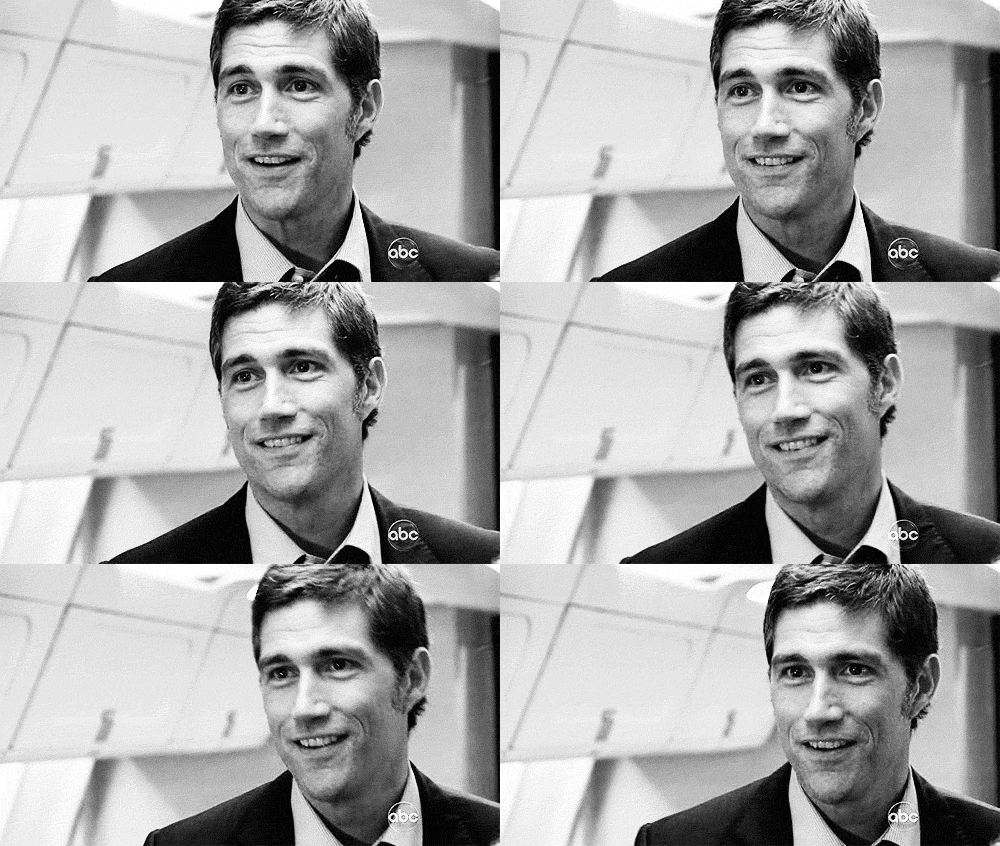
I was a huge fan of the show “Lost,” and still am. It was an epic show — 6 seasons and 121 episodes. But a lot of “Lost” fans are still mad about the way the show ended.

I always thought that was funny. I stuck with that show for six years. It started when I was in high school. It ended after I graduated college. I can’t tell you how many hours I spent talking about the show with friends, trading theories and sending email after email about it. For six years, me and my friends shared that show. It became ours. There are some episodes and characters in there that I count among my favorite ever.

Which is why I think it’s so funny that fans hate the show because they hate the ending. That makes no sense to me.

Did you enjoy the journey starting in season 1? I’ll ask them. Did you enjoy most of the stories?

Yes, they’ll usually say.

So why does a bad ending invalidate everything that came before? I’ll say. What does it matter that it didn’t close the way you hoped? You watched, and you enjoyed the ride. Isn’t that what matters most?

Yes, endings can be fickle and strange and not all that we hope for. But that doesn’t make the journey any less rewarding. The ride to the end matters.

Following Up Matters.

el

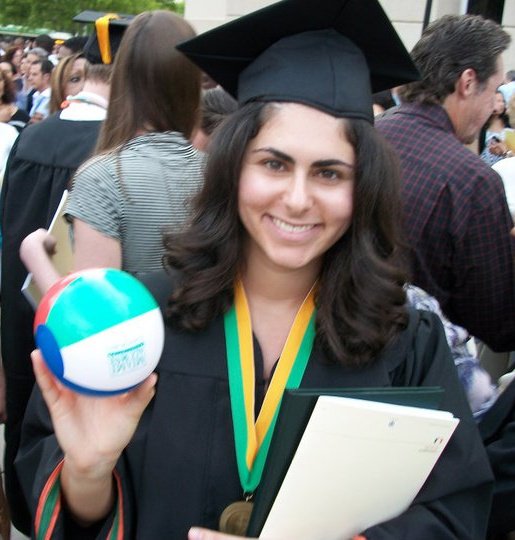
I’m going to brag about my little sister for a second.

A few years ago, my sister announced to me that one day, she was going to move to Colombia and do… well, she didn’t know. But she was going to move there.

Okay, I said.

And then she graduated from college and moved to New Orleans. She worked at a school. She had a lot of fun. We weren’t sure if she was going to ever leave.

And then she decided that Colombia was back on her radar. She was going to go.

Okay, I said.

She applied for jobs, and applied for visas, and she waited. I don’t know how qualified she was for any of these jobs — in college, she majored in Spanish, and being fluent in Spanish in Bogota isn’t all that impressive — but she actually got an internship at an art museum. She got her visa, and we got her on a flight to Bogota. The internship was supposed to last six months. We didn’t know what would happen after.

And then she announced that she was going to stay in Colombia and get a new job as a teacher.

Okay, I said.

She applied to more jobs and more places, except this time was different. She was in Colombia, which let her interview in person — and that does make a difference.

And after each interview, my sister decided that she’d send a thank you note in the mail. Not an email — a hand-written note thanking each place she’d interviewed at for their time.

A few weeks later, my sister got a job at a school. They’d interviewed a bunch of candidates for the job, but they loved her note. It stood out, they told her, and they figured anyone who’d take the extra couple of minutes to write a note like that was the kind of person they’d want on staff.

I’m still amazed by this. A few hand-scribbled words made a difference for my sister. There were lots of candidates, but a thank you note got her the job.

Why aren’t we all doing this, again?

Saying The Things We Do Not Want To Say.

This past weekend was Yom Kippur, the holiest day on the Jewish calendar. It’s a day where — most notably to the outside world — Jews fast from sundown to sundown.

To Jews, it’s known as the Day of Repentance. We gather together to ask for forgiveness — from ourselves, and from our God.

It is not a particularly happy day on the Jewish calendar, but it is an important day. It’s a day where we Jews are asked to take stock of our lives, and consider how we can do better in the coming year.

But something else occurred to me on this Yom Kippur: It’s a day where we get to say a lot of the things that we never get say.

On Yom Kippur, we are given the chance to apologize for things we have done. We get to hear others say the same. We get to talk about transgressions and misdeeds and mistakes.

And we get to do all this out loud.

There are certain things that we never really want to say, but on this day, we are given permission to do so.

What a wonderful thing, this opportunity. If only we had more days like it — more chances to say the things we want to say, but rarely do.

Stop Worrying About Endings. Just Keep Going On.

A lot of things have been kicking around lately, and it started with this tweet:

And I thought: Well, that’s not right at all.

I don’t think about endings that often. I think about the journey a lot, and I think about the next steps, but I don’t think about endings. That’s for another day — somewhere far off, I hope.

But I do think about the journey. I think about the steps I take every day to get somewhere, and the goals I keep setting and resetting for myself as I go. There are a lot of steps — but no true endings in sight.

And when I read a quote like the one above, I think: What’s the flip side of that? If things are working out, does that mean this must be the end? And what happens at the end, anyway? Do I quit? Do I give up on the work I’m doing?

That doesn’t sound like much of a happy ending to me.

So that’s the first thing that’s been kicking around in my head.

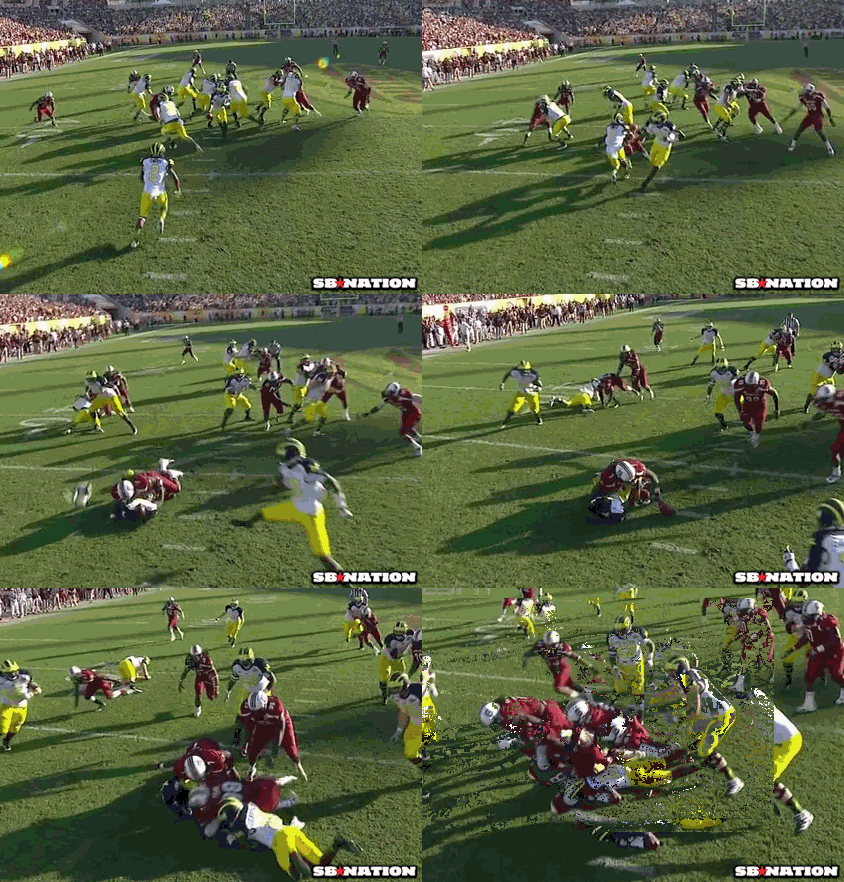
And the second is this video that’s been on the internet for a long time. It’s from a Texas high school football playoff game in 1994. One team is up 41-17 with three minutes left in the game, and that’s when the comeback begins. There’s a touchdown to cut the lead, and then a recovered onside kick. And then another touchdown. And another onside kick recovered.

And then another touchdown. And another onside kick.

And then one final touchdown — from 41-17 down to 44-41 up in just three minutes.

Which is where the story should end. Which is where we want it to end.

Except… that’s not where it ends.

Because life isn’t about where it ends; it’s about where you go. It’s about what you do along the way. It’s about what you make of all of this — the good, the bad, the everything else.

We search for endings because stories must end eventually, and each of us is writing our own story. But our stories are not over yet.

We keep going. We keep pushing. We resist the urge to write that ending.

There’s still more to do.

That image at top comes via @_michelada44_.

Being Normal Seems Weird.

“I don’t do normal. I have a reputation to uphold.” ― Joan Bauer

 
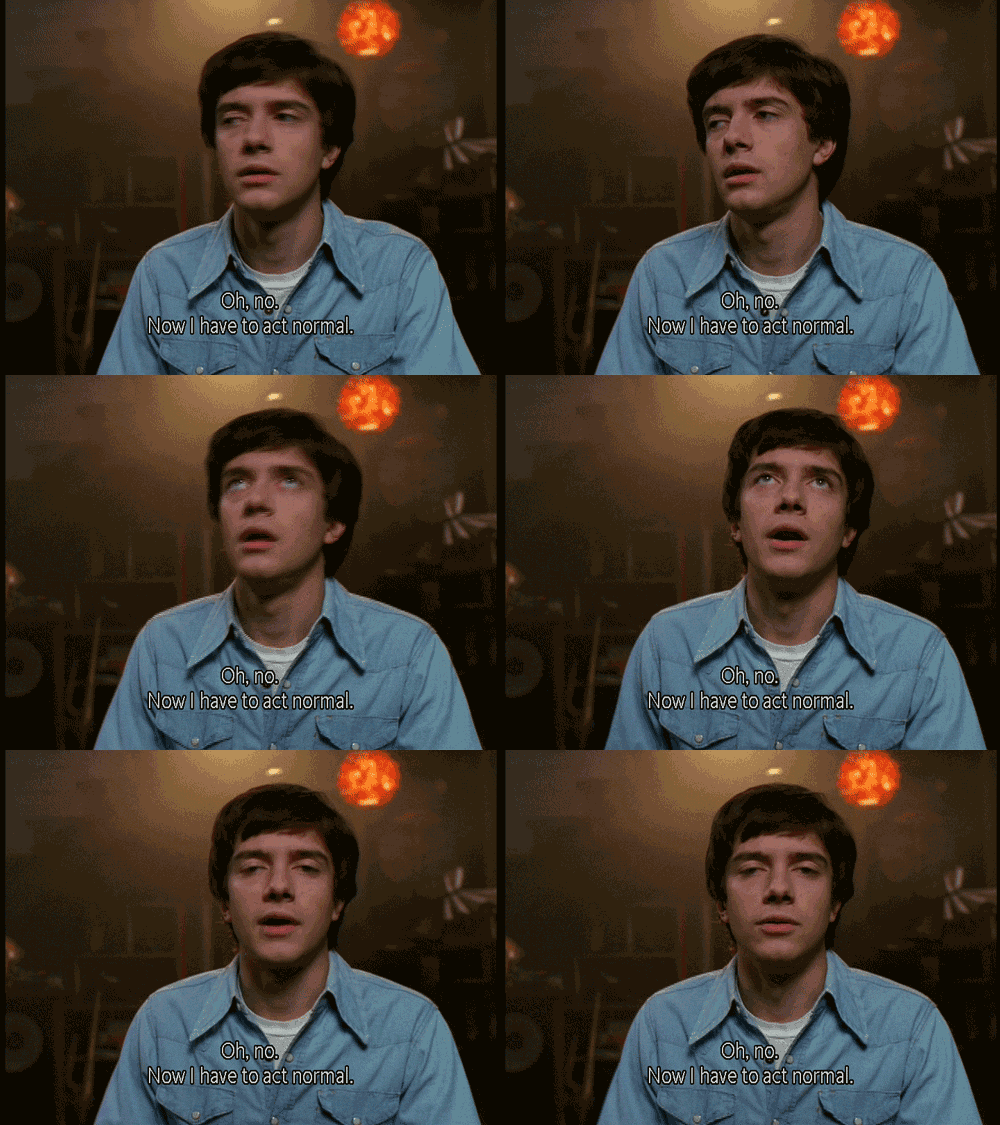
I’ve had a lot of conversations lately about the idea of normal. They usually start with a statement like this: “Dan, there’s nothing even remotely normal about you.”

To which I usually say: Why, yes, thank you.

And then: Do I really want to be normal?

If someone describes me, I’d hope they use a better word. Like remarkable. Or ambitious. Or even crazy.

I’d want to hear that I’m doing something with my life that’s making an impression, and that I’m doing it in a way that stands out.

Normal? That just doesn’t sound right to me at all.

My Computer Died This Morning, And That’s Probably Okay.

“Life is 10% how you make it and 90% how you take it.” — Irving Berlin

 
So I woke up this morning, and my laptop died. It died while I was in the middle of writing the daily email to BuzzFeed subscribers, and I tried to restart my laptop twice, and each time the screen came up with an image of a folder wrapped around a blinking question mark, and that was a pretty good indicator that was I screwed.

I’m not that happy about this, obviously. My laptop is non-functional, possibly even dead, and I’ve had it for less than a year. Gah.

But also, there’s this: My parents always told me that there were certain things I couldn’t control, and I shouldn’t worry about them. And I always thought that was kinda stupid.

Because of course I’m going to worry about those things! If my car breaks down, or my computer freaks out, of course I’m going to worry! These things are valuable, and I don’t own a lot of valuable stuff!

And yet, over time, I have started to notice that I worry less about the things I can’t control. I’m not sure if it’s because I’m mellowing, or if it’s just because I’ve got lots to stress about, and so when things break, I just move onto the next thing.

But whatever the case: I found myself not all that mad about the laptop this morning. It happened, it’ll get fixed, and things move on. So it goes.

Things Move Forward.

“The spirit, the will to win and the will to excel — these are the things what will endure and these are the qualities that are so much more important than any of the events themselves.” — Vince Lombardi

 
Football kicked off this weekend. This is fantastic news. I love football. A football Saturday or Sunday is a special thing.

And yet: This football season feels different than any that’s come before, because for the first time, I feel like the majority of fans have accepted these two simple facts:

Football is ridiculously dangerous, and will have to change, because it is too dangerous for humans to play in the way that modern football is played.

Football is really fun to watch, partly because it is so dangerous.

Something is going to happen to football as a result. Maybe parents will start keeping parents from playing, and will shift kids to other sports — soccer, lacrosse, wrestling. Maybe the rules will change dramatically. Maybe the technology for helmets and pads will get better.

But something is going to happen. And football fans will be outraged. They will bemoan the death of tradition. They will complain.

But this is how things works. Things change. The rules change. The game changes.

I do not know what happens next, but I know that things will change, and I know that a lot of people are going to be unhappy. But we won’t keep doing what we’re doing — we know there’s something wrong, and we fix our wrongs. It will not happen fast — this is just how our world works. There is too much money and too many players involved for it to move fast.

But it will change. We change, or we watch it change us.

Katrina, Eight Years Later.

Lighthouse.

Eight years ago today, Katrina hit the Gulf Coast. I’ve written this before: There aren’t a lot of big news stories on the eighth year anniversary of a storm. In two years, for the 10th anniversary, every TV truck in the Western hemisphere will be down in the French Quarter to cover the story. Not this year.

But there are a few great stories coming out of the Gulf Coast this morning:

The Times-Picayune has a fantastic story about a message in a bottle that was dropped into the rising waves of Katrina — found, and finally reunited with its writer.

The Huffington Post has numbers about life in New Orleans after the storm. Some good; many tragic.

In Waveland, Miss., they’re opening a Ground Zero Hurricane Museum. In Long Beach, they’re re-opening a university. In New Orleans, they’re celebrating the return of businesses.

And down the road, families are still trying to rebuild — from not one, but two storms.

And of course: I remember the ones who opened their doors to me three years ago, and let me hear their stories. I’m thankful for them, and thinking of them this morning.

I Missed A Monday.

“Put what you want to do last and what you need to do first.” — Mike Orren

 
I missed my Monday blog post for the first time in… well, I don’t know. I’ve been posting here twice a week for months — since at least the start of 2012. And to miss a Monday? It feels weird.

But worst: Missing a day because I was “too busy” is an alarm sounding, reminding me how easy it is to let a good routine go. The longer you let things slide, the harder it is to get going again.

So here I am on Tuesday morning, hacking out this post. I don’t like missing a Monday. I don’t plan on missing one again.

Time to get back to work.

That random image of a stoplight comes via.

What I’d Tell Myself If I Was Starting College Today.

me-at-18

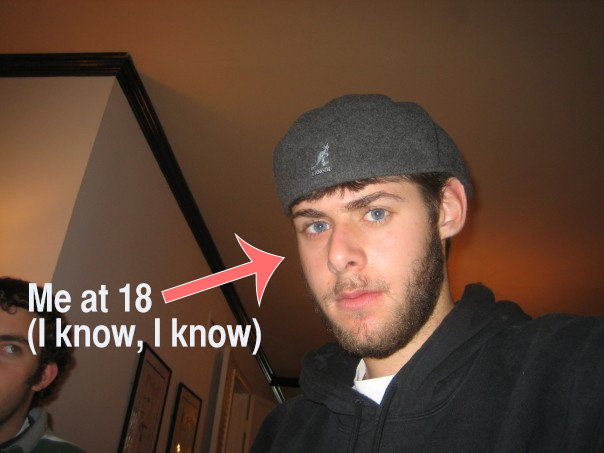
I started classes at the University of Missouri eight years ago this month. Which got my me thinking: If I was starting college this year, what advice would 26-year-old me give my 18-year-old counterpart?

 
So, 18-year-old Dan, here’s the thing:

College is 100% about experiences. You should do stuff because you CAN.

Go to concerts on Tuesday nights because you can. Join that campus improv group because you can. Take that all-night road trip because you can.

And yes, do stuff even when your friends don’t want to. You’ll meet new people along the way.

College is a time to try stuff you’d otherwise never try. You’re never going to have more free time to learn something new.

Basically, you’re going to go to 15 hours of class a week, and spend another 10-15 hours (maybe) doing work for those classes, which leaves you with an insane amount of free time to do whatever the hell you want.

Like, now is the time to learn an instrument. Or learn to take photos. Or learn to make awesome stuff.

No, your GPA doesn’t matter. As soon as you leave college, it’s as relevant as your SAT score.

So shoot for GPA that starts with a 3, but don’t worry too much about grades. Or your major. Most of your friends will end up doing something entirely unrelated to their majors.

Take classes that challenge you. Take classes with professors you like.

And take advantage of office hours. Just go in and talk to the professor for a few minutes each month. They’re smart people, and you’ll actually enjoy the conversation. (Yes, really.)

There aren’t a lot of things you shouldn’t do at college, but here are two: Don’t sleep so much — there is no human reason to sleep as much as you’re going to want to. And don’t be so messy — make your damn bed. Nobody wants to hang out at a messy apartment.

And that’s about it. Everything else is on the table. (Well, don’t do anything horribly illegal, but you already knew that.)

Experiences matter, and people matter, and that’s it. The rest of the stuff they tell you about os mostly rules that you don’t need to pay much attention to. The people you’ll come to admire don’t really care about the rules.

Go and find good people. The people you meet in college are going to be around for a long time. You are going to want good people in your life.

Good people will make your college experience better. They will make your life better. They will make you happy. Find lots and lots of time for these people.

But when you screw up, especially to them, apologize. And forgive them when they mess up. This matters more than you think.

One more don’t, actually: Don’t be a jerk. You’re young, and you think you know it all, and you’re going to be a jerk sometimes. Try not to be an asshole — it comes back around.

A few more things: Reach out to people you admire in “the real world” — people love helping college kids. They actually read your emails and take your calls.

And a quick follow up — especially a hand-written note — means far more than you can possibly imagine.

Create stuff. Build stuff. Even if it’s dumb.

The people who build stuff in college tend to go on to build stuff in the real world. This is not a coincidence.

And one finally little thing: This is not the best four years of your life. It isn’t. But if you do it right, it is the first four years of what can be an amazing life.

Know this: College is an wonderful place. You have so many resources around you, and so many amazing people around you. Everything you need to start something amazing — a project, a company, a life — is right here.

You will not come out of college fully formed, and that’s okay. In fact, it’s encouraged. You’re a work in progress. You’re there to learn and to try stuff. Try it all.

And don’t forget: You are never too young do something great. NEVER. Don’t let anyone tell you otherwise.

Welcome to college. Enjoy it. It goes by just as fast as they say.